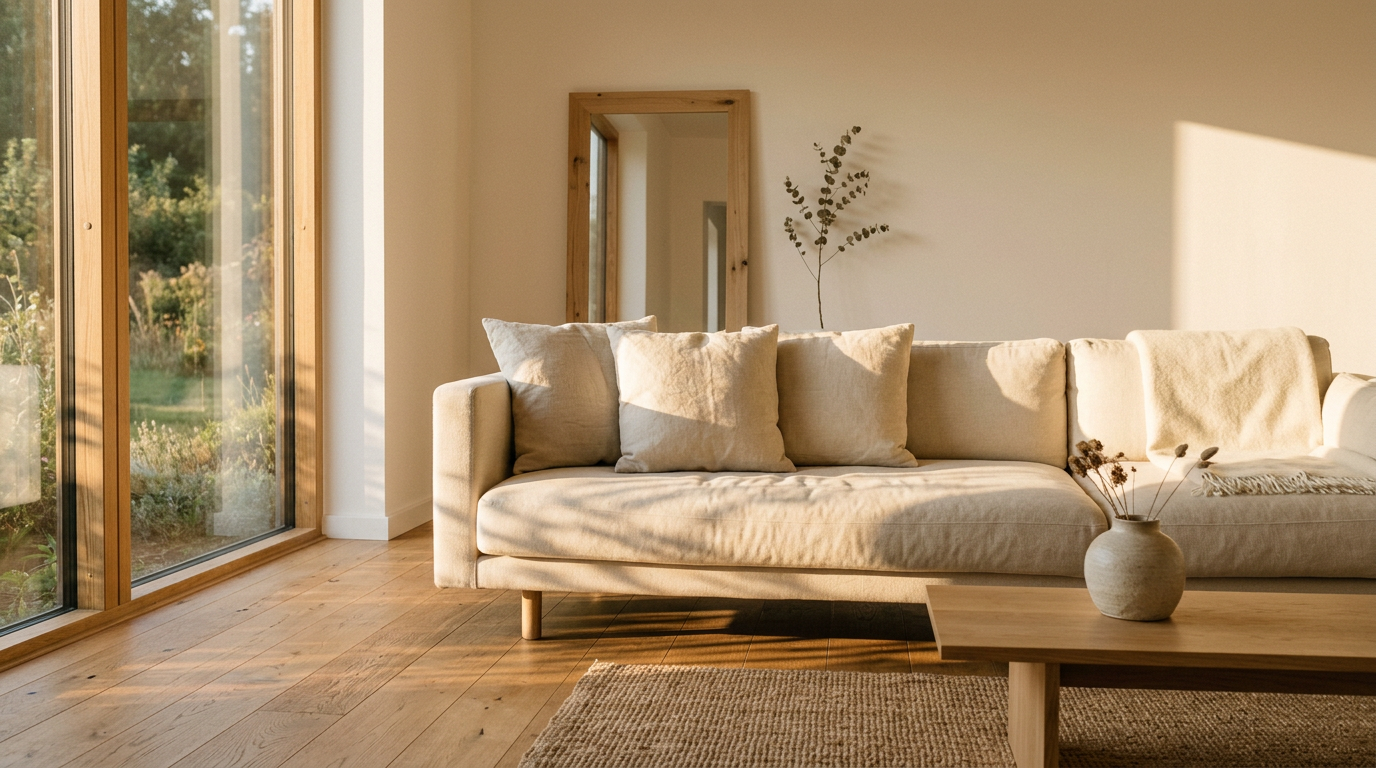
The Digital-Free Salon: Reclaiming the Art of Presence
A dedicated physical space where technology is intentionally excluded — and what becomes possible in its absence.

The Philosophy of the Analog Sanctuary
The modern home often functions as a series of charging stations rather than a cohesive living environment. When screens are present in every room, the psychological distance between partners increases even as they sit side by side. Establishing a digital-free salon is a deliberate act of reclaiming domestic space for intellectual and emotional depth. This boundary against technology is a prerequisite for a high-calibre connection. It allows the focus to shift from the external noise of a global feed to the internal resonance of the partnership.
Reclaiming Attention as a Rare Resource
Attention is the most valuable currency in any bond. In a world designed to fragment focus, giving someone your undivided presence is a significant act of respect. A digital-free space ensures that the person in the room is always the priority. This reclamation of attention allows for the observation of subtle cues that are often missed when eyes are fixed on a device. Undistracted observation is the foundation of genuine understanding.
The Psychological Shift from Consumption to Contribution
Digital life is primarily about consumption. Individuals passively receive information, images, and opinions from an endless stream of content. In contrast, the analog sanctuary encourages contribution. Partners are prompted to create their own thoughts and share their unique perspectives. This shift transforms a relationship from a shared viewing experience into a collaborative intellectual project where both parties are active participants.
Designing for Connection
A sanctuary is more than an empty room. It is a curated environment designed to influence behaviour toward presence. The layout of a salon must prioritise face-to-face interaction over the traditional orientation toward a television or a computer monitor. This approach involves a thoughtful selection of furniture and lighting that invites prolonged engagement and physical comfort.
Spatial Arrangements that Encourage Dialogue
Seating should be arranged to facilitate eye contact and easy conversation. Chairs and sofas placed in a circular or facing configuration signal that the primary activity of the room is dialogue. The absence of a central screen removes the temptation to retreat into passive entertainment. This spatial clarity helps the brain recognise the room as a place for active connection and psychological rest.
Managing Light and Acoustic Warmth
Lighting plays a critical role in regulating the nervous system. Soft, dimmable, or indirect light creates a sense of safety and intimacy that hard, overhead lighting cannot provide. Acoustic warmth is also essential for a sanctuary. Rugs, curtains, and bookshelves help dampen echoes, creating a quiet environment where a whisper can be heard and understood. A quiet space encourages a more measured and thoughtful way of speaking.
The Return to Tactile Engagement
A digital-free salon should be filled with objects that invite physical interaction. Books, journals, sketchpads, or tactile art pieces provide a constructive outlet for the hands. These objects encourage a slow, focused type of engagement that is the antithesis of the rapid digital swipe. Engaging with physical materials grounds the inhabitants in the present moment and provides natural starting points for deep conversation.
Establishing the Rituals of the Salon
Without a feed to provide constant stimulation, the mind requires new patterns of engagement. The rituals of the salon move partners away from passive consumption and toward active inquiry. These habits nourish the bond by creating shared intellectual history and emotional depth that persists outside of the sanctuary walls.
Moving Beyond the Scroll
Replacing a digital habit with an analog ritual requires intention and practice. This might involve a nightly period of shared reading or a scheduled time for discussing a specific philosophical question. These activities provide a structure for the time spent in the salon, preventing the awkwardness that can sometimes follow a sudden disconnect from technology. Purposeful activities transform the space from an empty room into a living laboratory for the relationship.
The Practice of Deep Reading and Shared Inquiry
Deep reading is a skill that is often lost in a world of headlines and snippets. Spending time reading separate books in the same room creates a sense of parallel solitude that is deeply intimate. This can be followed by a period of shared inquiry, where partners discuss the ideas they have encountered. This practice builds a shared intellectual landscape that strengthens the foundation of the bond and keeps the connection intellectually fresh.
Sustaining the Boundary
Maintaining a digital-free zone requires a shared commitment to the rules of engagement. Transitioning into this space often involves a brief period of adjustment where the habit of reaching for a device is replaced by a more grounded form of presence. Both partners must agree that the value of the connection outweighs the convenience of constant connectivity during their time in the salon.
Navigating Digital Withdrawal
The initial transition to an analog space can feel uncomfortable for those accustomed to the constant dopamine hits of notifications. Recognising this discomfort as a sign of digital fatigue is important for long-term success. Over time, the anxiety of being disconnected is replaced by a profound sense of relief and a deeper appreciation for the quiet moments of the partnership.
Communication Norms for the Offline Space
Agreements should be made about how to handle urgent matters without breaking the sanctuary. If a phone must be kept nearby for an emergency, it should be placed in a drawer or another room out of sight. This ensures that the digital world only enters the salon by explicit choice rather than by accident. These norms protect the sanctuary and ensure that the time spent there remains focused on the art of presence.
Essay Summary
A digital-free salon is a dedicated physical space within the home where technology is intentionally excluded to facilitate deep interpersonal connection, intellectual exchange, and psychological rest. By removing screens, partners create a sanctuary that prioritises presence and encourages the growth of emotional and intellectual intimacy.
Continue Reading